Our Inspirations
Our main sources of inspiration are the personalities who have dedicated their entire lives towards welfare of our nation through education in it's right sense
Swami Vivekananda
Swami Vivekananda is the “Maker of Modern India”. In the late nineteenth century, when India was under the British rule and was languishing in poverty and backwardness. Swami Vivekananda went to America to work for the well-being of his countrymen. His historical speech at the Parliament of Religions at Chicago in 1893 not only ushered the world into a new era, but also marked the beginning of a new India. He has left behind a treasure of ideas on India’s as well as world’s future.
“Education on national lines” was his dream. He wanted to blend modern science with India’s ancient spiritual and cultural wisdom. Even after seven decades of India’s independence, his profound ideas on education have not been implemented in our country. He was against a foreign educational system being grafted on the minds of Indian peopel. India has to have her own indigenous system of education.
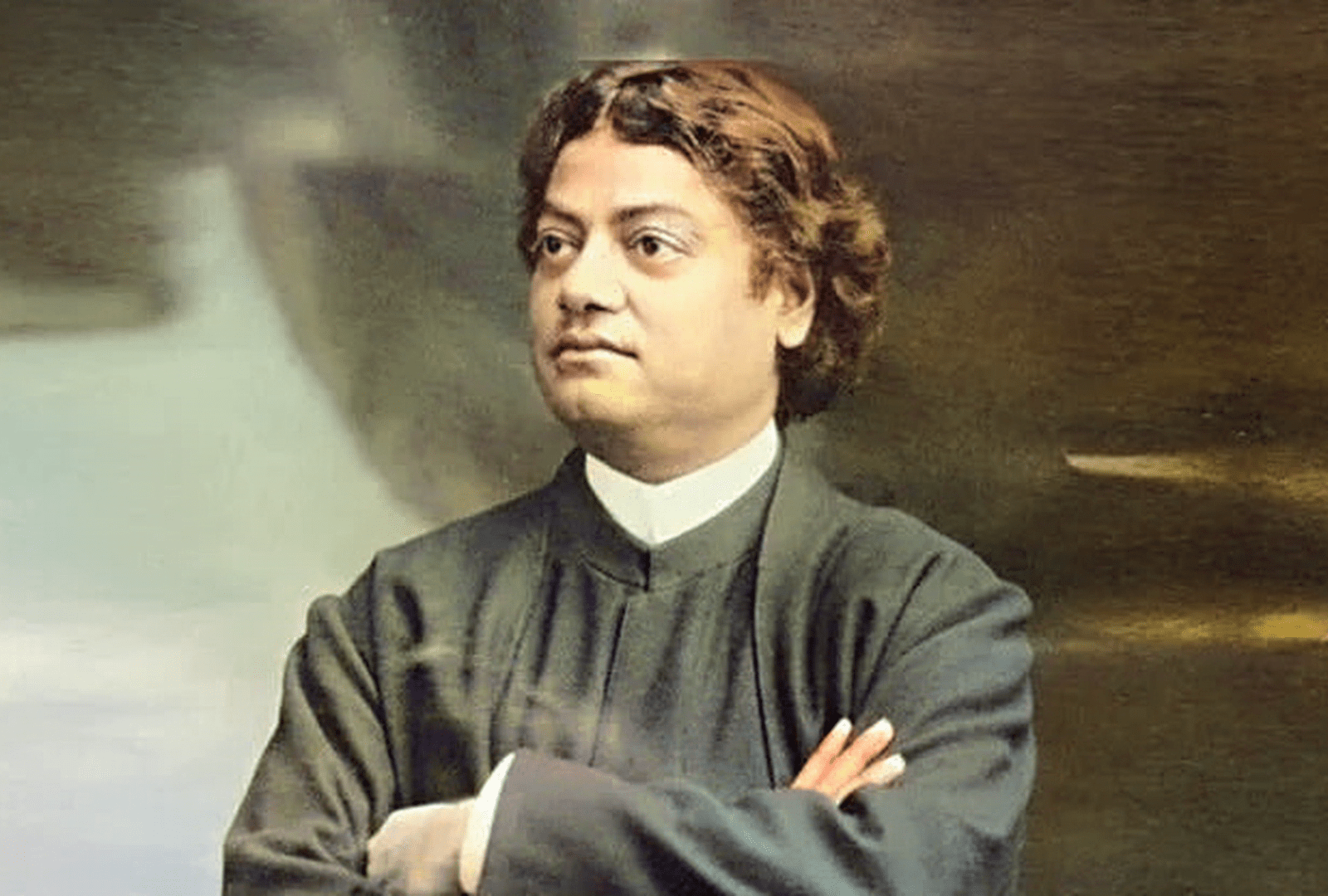
Swami Vivekananda
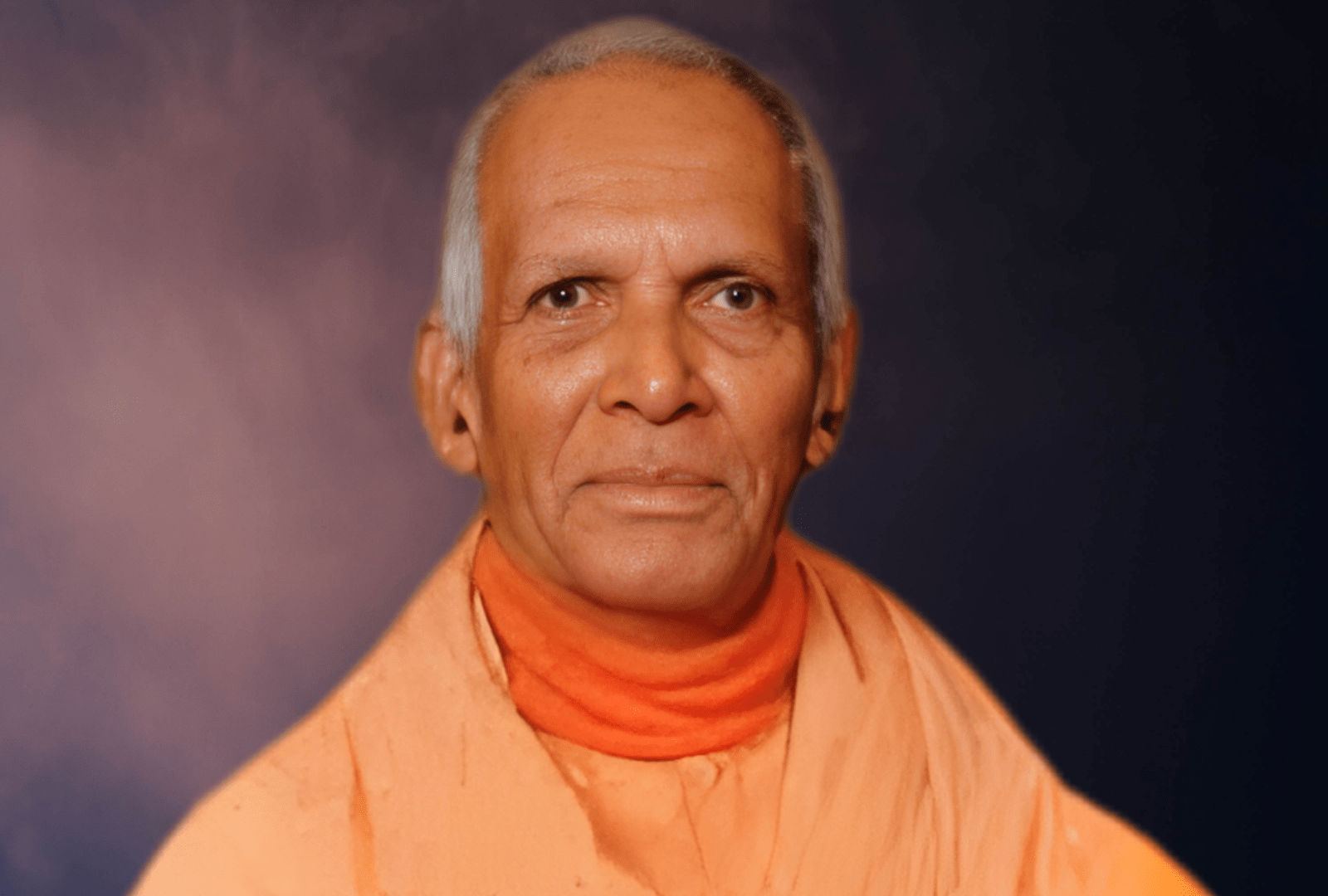
Swami Ranganathananda
Swami Ranganathananda
Swami Ranganathananda of the Ramkrishna order was the most authentic mouthpiece of Swami Vivekananda in the twentieth century. He became well known as the “Second Vivekananda”. His life of tireless service to the country and the world won him many accolades. A great spiritual figure, the cultural ambassador of India to the world, a brilliant orator, and a treasure trove of ideas for the welfare of India and the world, he precisely brought out the practical implications of Swami Vivekananda’s idea. He has left behind his profound observations on all the vital areas of human life and endeavour, “Education in India” being one of them. Vivekananda Vidyapith aims in fulfilling the educational vision of these two great figures of modern India.
Sri Aurobindo
Sri Aurobindo Ghosh’s philosophy of education emerges directly from his philosophy of life which is based on spiritual penance, the practice of yoga, and brahmacharya. Integral Education is a new concept introduced by Sri Aurobindo. It involves the integration of all the various aspects of human life including physical, mental, emotional, social and spiritual.
The educational theory of Sri Aurobindo aimed at the development of the latent powers of the child, training of six senses, training of logical faculties, physical education, the principle of freedom, moral and religious education, and above all, training for the spiritualization of the individual.
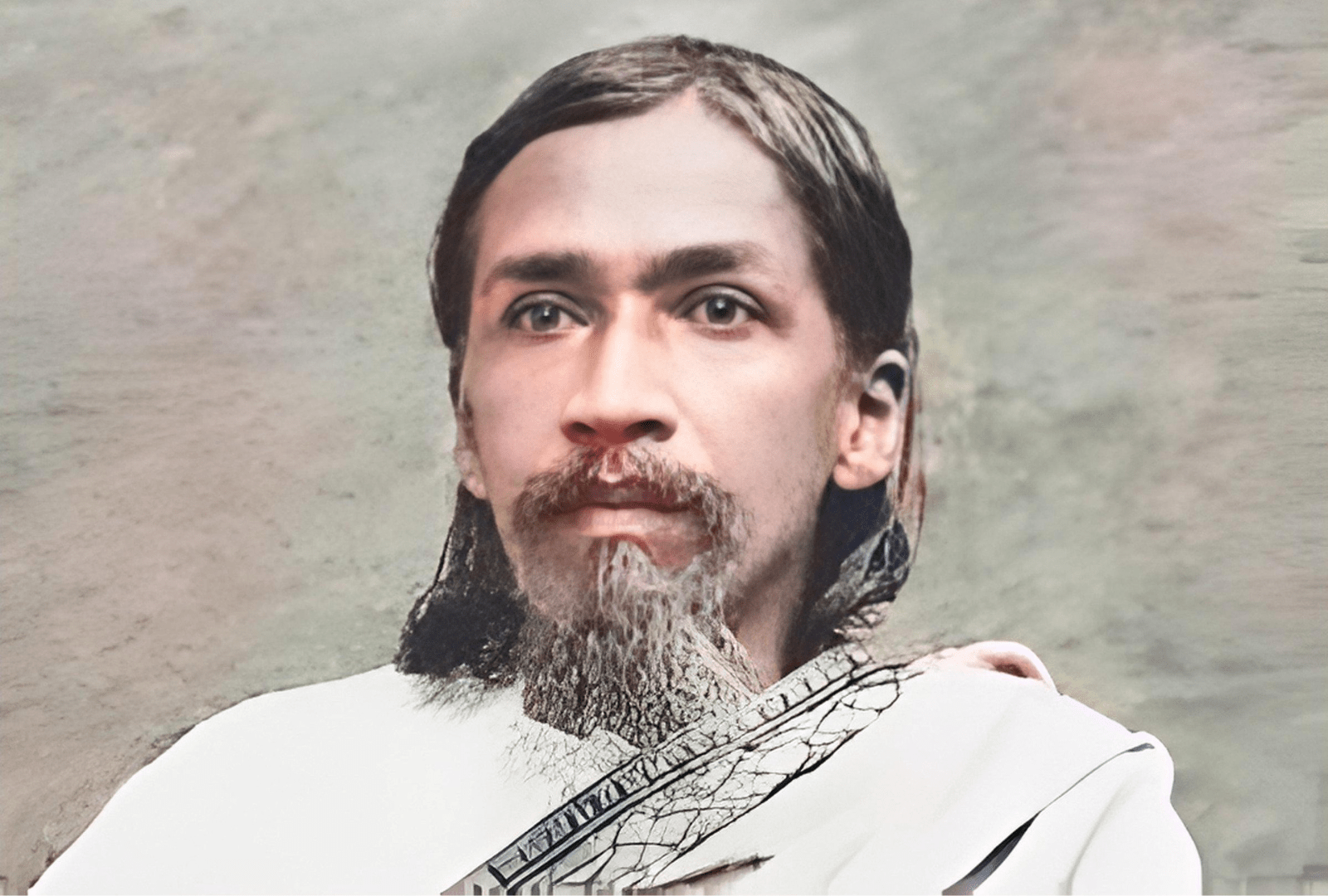
Sri Aurobindo
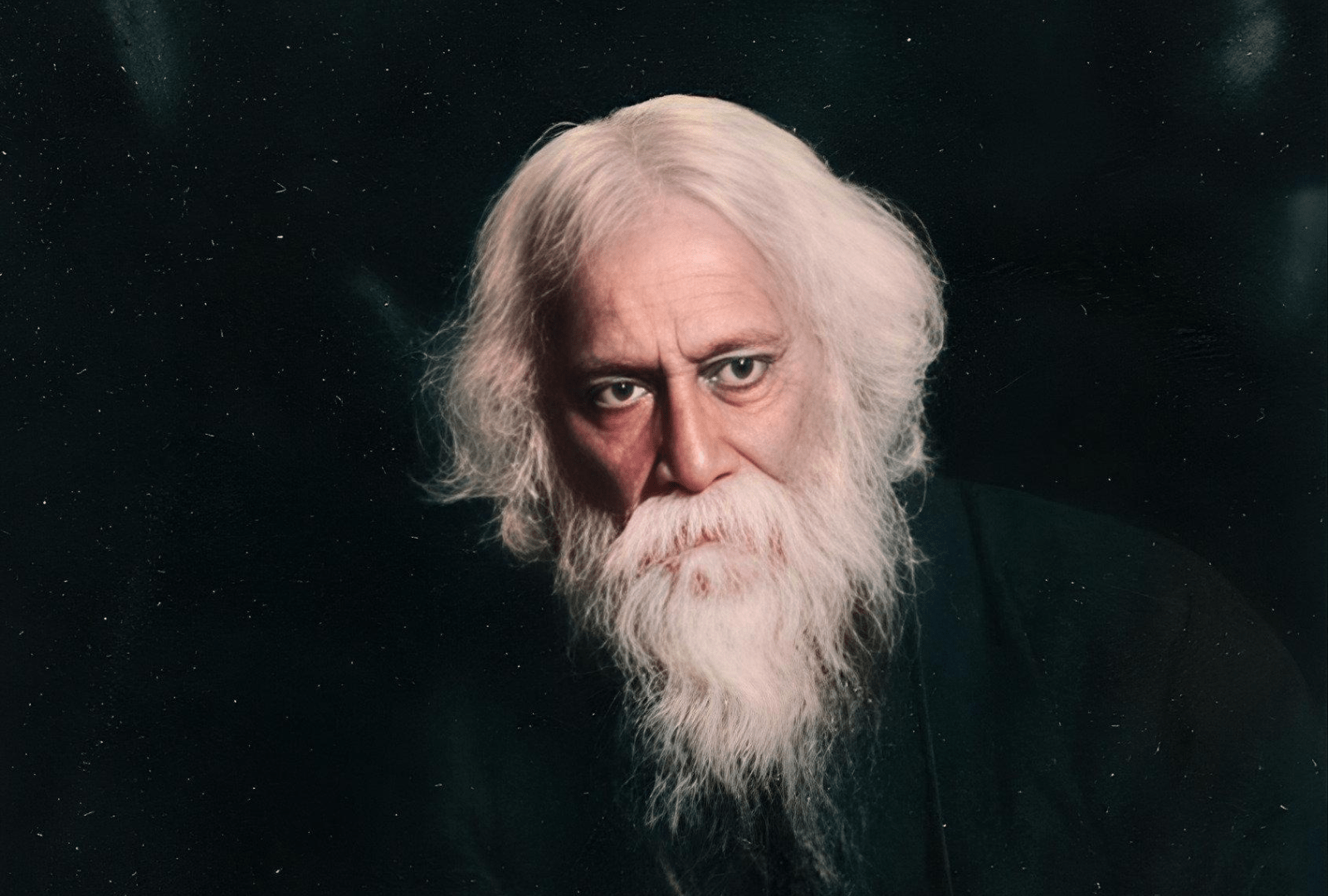
Rabindranath Tagore
Rabindranath Tagore
Rabindranath Tagore believed that in the course of the education, it was essential for the child to have an independent atmosphere. Teaching should be based on the child’s natural interests and passion. In the educational method we will use both the reasoning and the question-answer. Child’s experiences and senses will be used in educational method. In the teaching method, dance, acting, crafts and excursion will get a place for child’s development. Our teacher will care to stimulate the child to do constructive work and learn by his own policy.